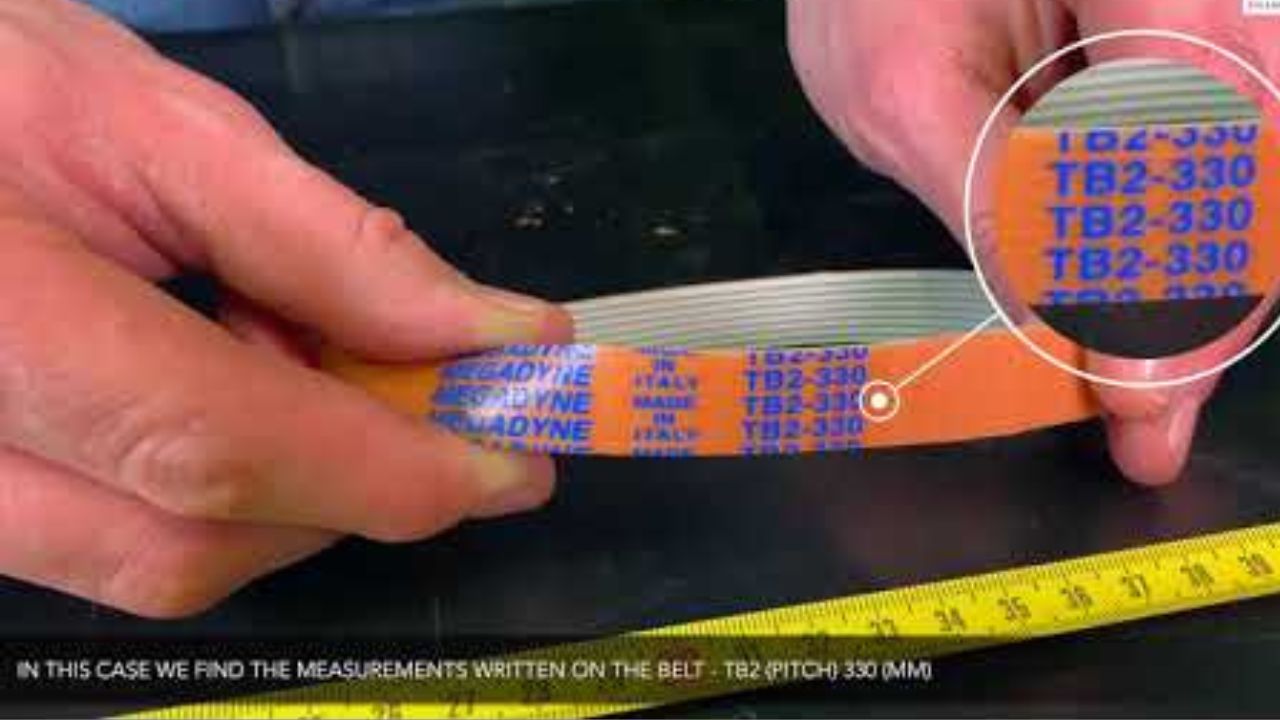
There is a lot of efficiency and precision needed in modern food processing, and meat slicers are crucial in fulfilling these aspirations. The TB2 belt is one of the most important parts of these machines as it gives a comfortable working process and correct cutting. Knowing whether the TB2 Meat Slicer Belt can be used in brands of meat slicers is crucial to food industry operators and their maintenance staff, and procurement experts.
TB2 Belt Is Important in Meat Slicers
TB2 belts are built to provide quality transmission of power and ensure that the machine operates at a steady rate. They are popular among commercial and industrial meat slicers to provide consistency in slicing with maximum control of speed. These belts are good because of their durability and flexible nature, which suits operations that have a high volume, since downtime may lead to a lot of lost productivity. The selection of the appropriate belt is important because it provides a way to ensure a slicer operates effectively and prevents damage to other machine parts.
Brand Divergence of Meat Slicers
The various brands of meat slicers use different sizes of belts, pulleys, and motors. Some slicers might share identical belt widths or lengths, but even slight variations in pitch, material composition, or tooth profile can have an impact on compatibility. This is why the one-size-fits-all strategy will hardly succeed in picking the replacement TB2 belts. To achieve the correct alignment, tension, and performance, their machine operators need to take into consideration the particular needs of the machine model.
Standardization of TB2 Belts
Although there are differences in brands, TB2 belts have some industry standards, which make them work together. These belts are generally of good-quality polyurethane or rubber with reinforced cords to strengthen and increase the life span of those belts. TB2 belts can be used in several slicer models with a slight modification due to standardized dimensions that include width and length, as well as tooth spacing. The standardization also helps make the management of inventories easier for the business people using different brands of slicers, and they do not have to stock a belt specific to each different machine.
Compatibility Determination
The next important step to follow before buying a TB2 belt is to match the specification of the belt with the recommendation of the slicer manufacturer. The most important ones are the length of the belt, its width, tooth profile, and the type of material. To obtain the correct information about the compatible belts, the user manual or technical datasheet of the slicer is to be consulted. As well, there are quite a few suppliers of belts with compatibility charts, which map TB2 belt sizes to common slicer brands. By ensuring that the replacement belt fits in place, does not go around, and the slicer continues to slice with precision, the use of these resources ensures that the replacement belt can fit in place.
Advantages of Belts made of Compatible TB2
There are a number of advantages to using TB2 belts, which are entirely compatible with meat slicers. To begin with, it helps to minimize the risks of mechanical failures because correctly attached belts reduce strain on the motor and pulleys. Second, it increases the efficiency of the operations by keeping the speed steady and maintaining quality. Thirdly, matching belts help in prolonging the life of the machine, since there is even distribution in the pressure put on the components. Lastly, companies will also save on the cost of maintenance as they will no longer need to replace their belts every now and again because they do not fit.
Custom and OEM Options
TB2 bespoke belts might need to be purchased for the use of machines that have special needs or older models of slicers. A large number of suppliers offer original equipment manufacturer (OEM) belts or tailor-made belts that are created to meet the size and material needs. These belts provide compatibility and optimum performance, particularly in the special meat processing environment. Custom belts also enable a business to upgrade to more durable materials like reinforced polyurethane material, which can withstand heavy-duty operations.
Conclusion
TB2 belts are a necessary part of meat slicers, and their compatibility with other brands is also one of the factors that allows the use of the belt without any inconveniences. Although standardization enables different belts to be interchangeable, much concern is required on measurements, material, and manufacturer specifications so as to have a good fit. A good choice of TB2 belts offers businesses the chance to improve the slicing performance, minimize downtime, and increase the life of their equipment. With the presence of custom and OEM options, the operators are able to achieve high productivity levels with either the slicer brand of choice, and the results are always consistent, and the reliability is long-term.