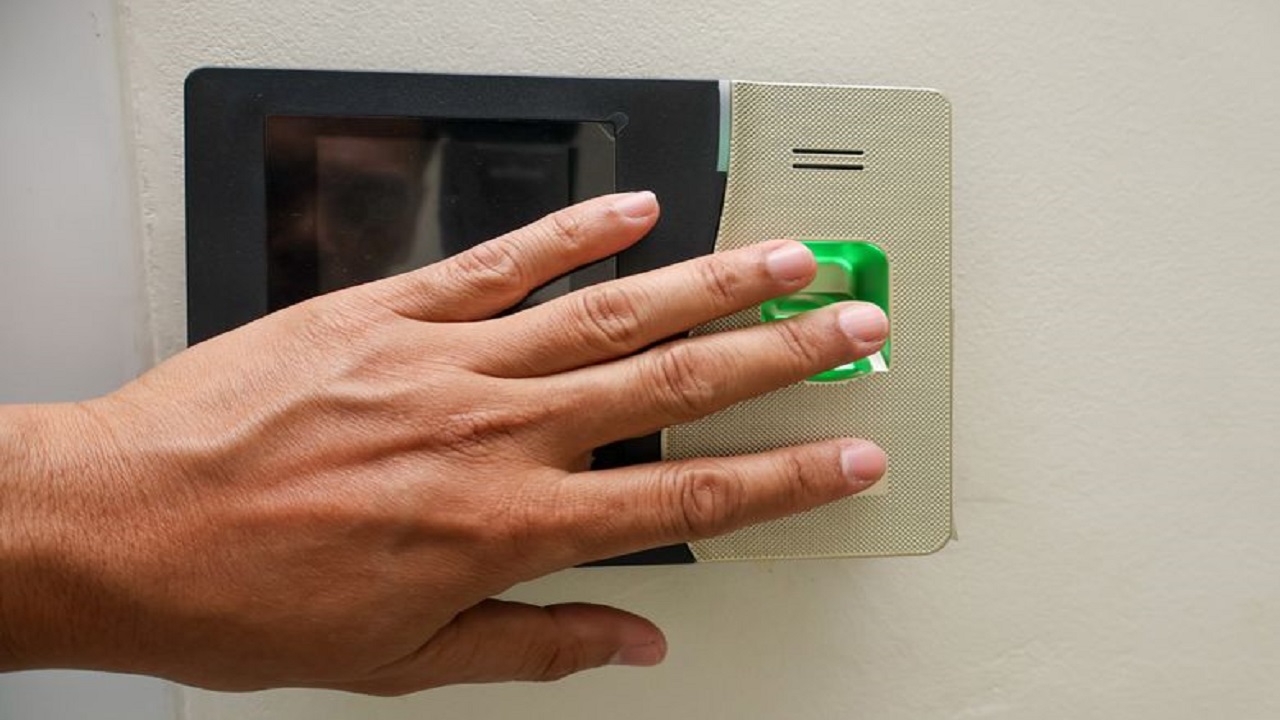
In the context of the modern security world that changes very fast, the security of homes, offices, and commercial areas is more important than ever before. Conventional lock and key systems, though practical, are very limited. Security may be jeopardized by lost keys, copied keys, and lock-picking. Modern technology has been revolutionized by the development of even more sophisticated biometric programs, especially a Face fingerprint door lock, which has greatly minimized the chances of unauthorized entry.
Knowledge of the Biometric Door Locks
Biometric door locks are door locks that rely on individual physical attributes that include as fingerprints or faces, to enter. Biometric systems are also authenticating in that they do not use physical keys or codes like traditional locks to identify a person, but instead, one who has a unique biological characteristic. This can ensure that only those who are authorized to access it can do so, and the chances of unauthorized access are significantly reduced.
Face recognition locks are highly accurate in scanning the facial features of the user because they scan the distance between eyes, nose shape, and other facial features, and identify the user. On the contrary, fingerprint locks compare the ridges and patterns of the fingerprint of an individual to prove who they are. The two technologies present a more advanced and secure alternative to traditional locks.
Elimination of Security Breaches Involving Keys
The traditional locks have a number of vulnerabilities, including lost keys, stolen keys, or duplication of keys without the owner’s or an authorized person. The problems are very dangerous, particularly where there is high security. These are some of the most prevalent security threats that can be prevented by using biometric door locks that do not have physical keys.
With a face or fingerprint lock, no key can be lost or stolen. The system allows only pre-registered users, and it is highly impossible to have unauthorized individuals will access the system. This is a keyless technology that is not only more secure but also convenient for the users.
Multi-Layered Authentication
A lot of current biometric lockout systems are multi-authentication, e.g., a fingerprint and a passcode, or a facial scan and a smartphone application. This multi-tier security measure also minimizes threats of unauthorized access.
E.g., in case of a fingerprint sensor failure caused by dirt or damage, facial recognition can be used as an alternative. On the other hand, the face recognition system becomes blocked, and an alternative mode of access will be to scan a fingerprint. These overlaps render it exponentially more difficult to penetrate the system by unauthorized users.
On-Demand Sensors and Notifications
High-end face/fingerprint locks are usually combined with smart home or mobile applications. Real-time entry points monitoring is possible with this integration. Business managers and homeowners are able to get instant alerts when an unregistered person is trying to gain access, and thus, they can respond perfectly.
Not only does this kind of monitoring eliminate potential attackers, but it also logs the attempts of intrusion, thereby also being beneficial in terms of accountability and security. Unauthorized access attempts are also recorded and can be tracked, and security threats are easily detected and therefore responded to.
Reducing Human Error
Human error is another factor that causes a security breach. People can leave doors open, misplace keys, and/or provide access credentials to unauthorized individuals. We can minimize this kind of risk by using the biometric systems to carry out automatic authentication, and only registered users can access them. The door automatically identifies by face and fingerprint verification, and this removes the need to use human memory or behavior. This lowers the chances of unintentional security failures and provides uniform security.
Homes and Businesses Use
Face and fingerprint locks are common both at home and in the business world. At home, they protect the members of the family and their properties. These locks prevent unauthorized access to employees in offices or high-security facilities and ensure the safety of sensitive information.
These locks are also convenient, and this factor promotes good security practices. It is more likely that the users would interact with a fast, reliable, and easy-to-use system, and guarantee greater security compliance.
Conclusion
Face and fingerprint door locks are one of the major developments in security technology. With the exploitation of the distinctive biometric features, the removal of areas of weakness associated with keys, and multiple-layered authentication, such systems can significantly minimize the threats of unauthorized access. The biometric locks are a secure and convenient solution to the contemporary security requirements of homes and businesses through real-time surveillance, auto-checking, and use of the locks. With the security threats constantly changing, the use of face and fingerprint door locks has been a necessary measure in the protection of properties and a prerequisite to peace of mind.